The Alto high-speed rail network: Designed for performance, with safety in mind
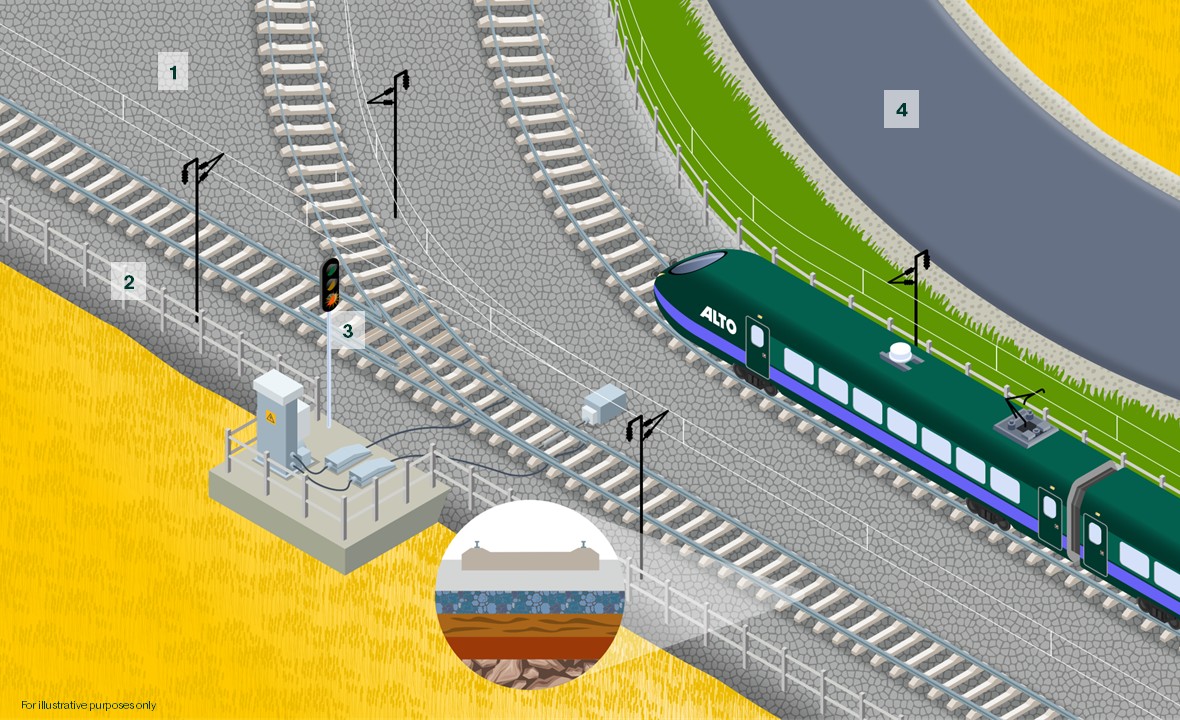
1. High-speed rail components
High-speed rail has proved itself worldwide, including in France, Japan and Spain. These networks are known for being efficient, safe and for improving connectivity between cities.
Alto draws on these models by considering Canadian realities to design a system that is reliable, efficient and adapted to our climatic conditions.
Safety
High-speed rail is one of the world’s safest modes of intercity transportation. Alto will adopt best practices to ensure passenger and community safety.
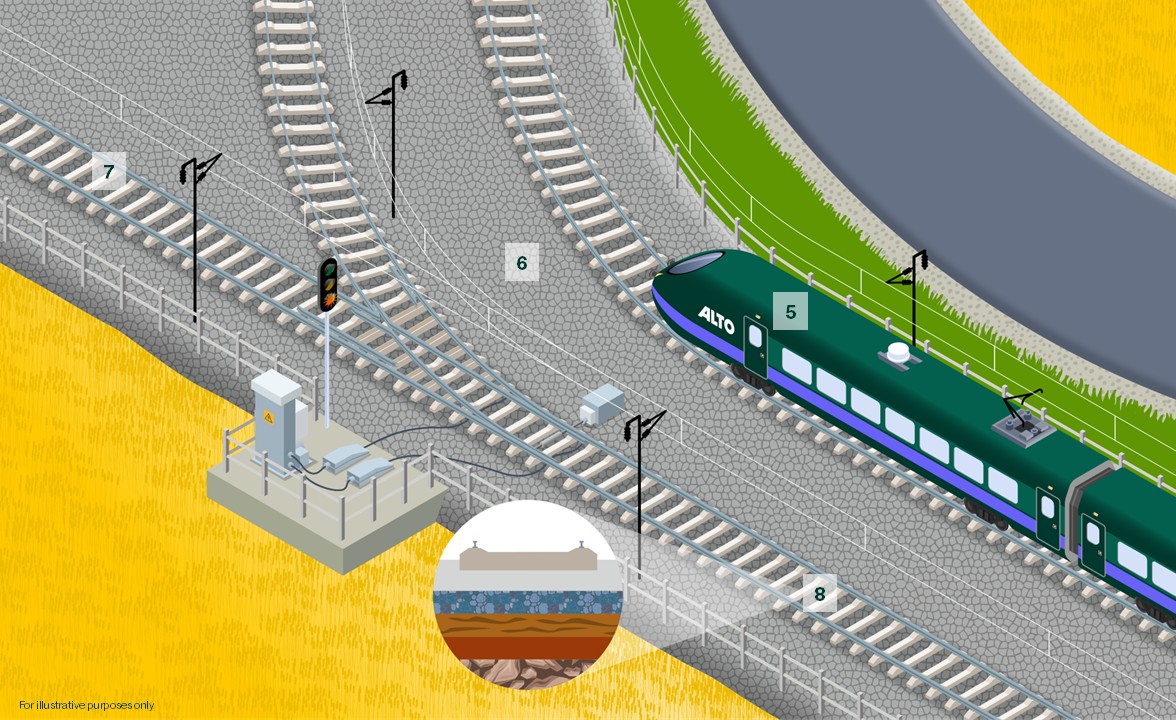
Performance
A train generally has to reach more than 250 km/h to be considered a high-speed train.
Alto will leverage advanced engineering, specialized infrastructure and operational strategies to achieve speeds of 300 km/h or more.
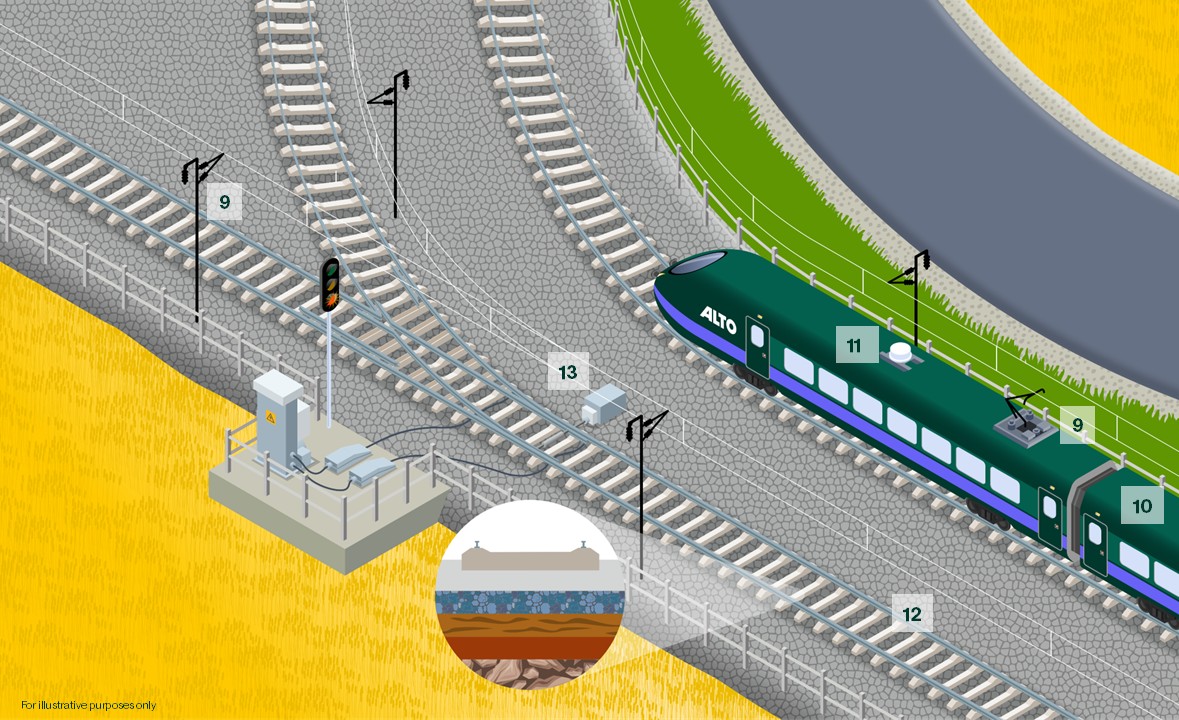
Reliability and comfort
Reliability and comfort are key to providing an enhanced travel experience.
2. Specialized infrastructure adapted to the environment
The Alto network will be designed to integrate thoughtfully into the environments it crosses. The objective is clear: limit impacts on communities near the network and preserve ecosystems, while ensuring service performance and safety.
The network will use specialized infrastructure adapted to the diverse environments it crosses and their geography:
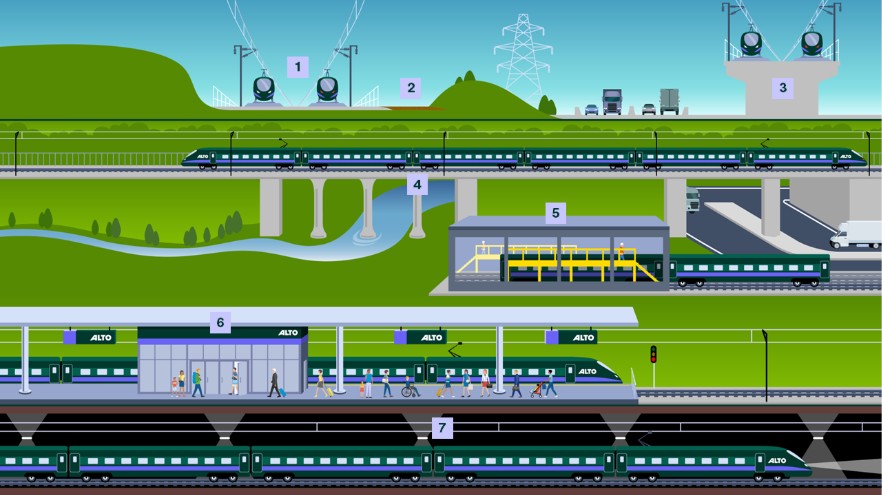
1. Railway right-of-way that is 40 to 60 metres wide for maintenance and safety 2. Service roads for use by service and response vehicles 3. Elevated tracks to limit the footprint and preserve local mobility 4. Bridges and overpasses that meet environmental standards 5. Strategically located maintenance centres 6. Well-integrated stations as mobility and urban development hubs 7. Tunnels to cross densely built areas or natural obstacles
3. A network designed for Canadian weather conditions
The Alto network will be designed to deal with Canadian weather challenges, including harsh winters and extreme heat, but also the impacts of climate change. Our teams will leverage innovative strategies and be mobilized to ensure service performance and reliability, even during the most demanding weather events.
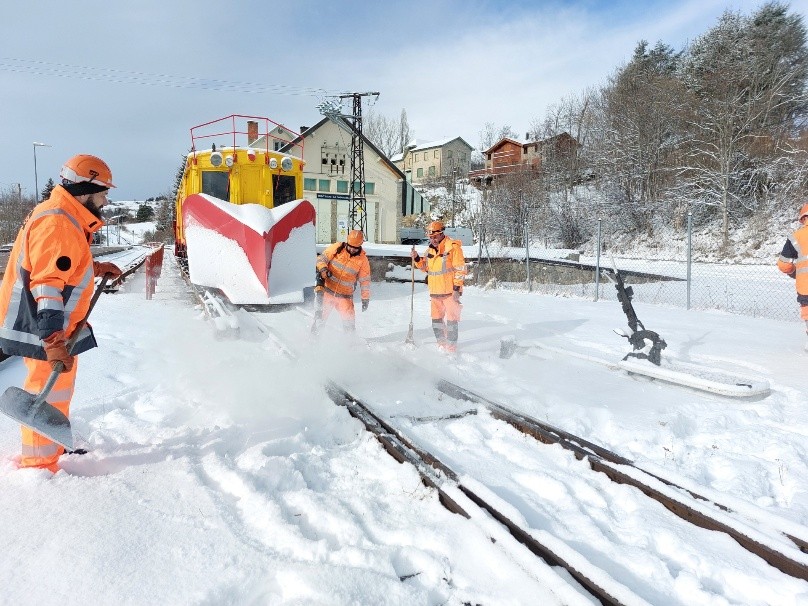
Maintenance strategies and solutions being reviewed include:
- Mechanical snow removal with railway track snow plows
- Preventive treatments to improve adherence between the wheels and tracks
- Thermal blowers to protect switches
- Track and ballast monitoring during periods of heat
- Systems for detecting high winds
- Catenary maintenance with de-icing trains, heating wires and electrical supercharging
- Surveillance by sensors, thermal cameras and drones
- Proactive plant management alongside railway tracks

Navigation

Share your thoughts with us


Learn more about the key themes of the project



Important Links
Alto Website

Stay up to date with everything that’s going on.
FAQs
-
 THE PROJECT
-
SEGMENTED APPROACH
- 6. What are the benefits of a segmented approach for Canadians?
- 7. Why was Ottawa–Montréal chosen as the first segment for Alto?
- 8. When will construction begin on the segment between Ottawa and Montréal, and what will the alignment be?
- 9. When will the first segment between Ottawa and Montréal become operational?
- 10. When can we expect construction to begin on the other segments?
- 11. Are there any plans for expansion, e.g., to Windsor or elsewhere in Québec?
-
DEVELOPMENT AND CONSTRUCTION
- 12. Is a high-speed rail network safe for passengers and the communities it passes through?
- 13. Is the technology of the high-speed rail network appropriate and safe for extreme climates, including harsh Canadian winters?
- 14. Why can’t you use the existing CN and CP railway corridors?
- 15. How will it be possible to cross from one side of the railway to the other without level crossings?
- 16. How much land will need to be purchased? Will the project result in expropriations?
- 17. How can I offer my professional products or services to Alto?
-
ENVIRONMENT
-
CONSULTATIONS AND INDIGENOUS RELATIONS
-
SPIN-OFFS AND BENEFITS
-
ENQUIRIES

